There’s a corner in Leimert Park — somewhere around 43rd Place and Degnan Blvd — where on a Saturday afternoon you can hear three things happening simultaneously: a drummer working through something unresolved, a vendor calling out across the street, and from somewhere inside Vision Theatre, the low bass of a sound check for whatever’s happening that evening. It’s not staged. Nobody arranged it to feel that way. It’s just what that neighborhood does on a weekend, and it’s been doing it for decades.
Los Angeles has a Black cultural history that stretches across the whole city — Watts, Compton, Baldwin Hills, Inglewood, West Adams, Jefferson Park — and a present that keeps producing events, institutions, artists, and gatherings that don’t always reach the top of the general “things to do in LA” lists but are among the most vital things the city offers. The african american events in los angeles calendar runs year-round. It concentrates in February for Black History Month and in June for Juneteenth, but it never fully stops.
What this city does with its African American cultural infrastructure is different from what smaller cities attempt. The institutions here are real. The neighborhoods have survived. The music and the art and the food and the community spaces — they’re not museum pieces. They’re working.
African American Events in Los Angeles — What’s Actually Happening Across the City
The California African American Museum in Exposition Park is the starting point for anyone trying to understand the breadth of what african american events in los angeles actually looks like across a year. The museum runs programming that goes well beyond static exhibitions — film screenings, community conversations, artist talks, performances. The Exposition Park campus itself — adjacent to the Natural History Museum and the Science Center — is one of the most productive Saturday destinations in los angeles, particularly for families who want to spend four to five hours in a single area without driving between different neighborhoods.
Leimert Park Village is the cultural heart of Black LA in a way that no single institution can replicate. The Village Jazz, the annual Kwanzaa celebrations, the art galleries along Degnan, the World Stage — a performance space and workshop that has been nurturing jazz, spoken word, and creative community since 1989. On a weekend afternoon, Leimert Park feels like the city’s own Brooklyn, except that it’s been here longer and it’s less self-conscious about what it is. The energy isn’t performed for visitors. It exists because the community made it exist over generations.
The Watts Towers — Simon Rodia’s massive folk art sculpture that rises from the neighborhood and has no equivalent anywhere in the world — sits at the center of the Watts Towers Arts Center, which runs its own programming, workshops, and community events throughout the year. The Watts Towers Jazz Festival in September is one of those free outdoor events that feels genuinely irreplaceable. You sit in the shadow of the towers, you hear music that has weight behind it, and the experience of los angeles in that moment doesn’t match any of the city’s postcard images. It’s better.
African American Things to Do in Los Angeles Across Different Neighborhoods
The african american things to do in los angeles that accumulate into a real cultural day spread across the city’s geography in ways that require some navigation. South LA is the densest concentration — the museums, the galleries, the jazz venues, the community programming. But the West Adams neighborhood, which is currently in the middle of a complicated and overdue cultural reclamation, has some of the best food and emerging arts spaces in the city. The Harold & Belle’s Creole Kitchen. The Highly Likely café. Buildings with architectural history sitting next to new gallery openings.
Inglewood has shifted significantly in the last several years — SoFi Stadium brought infrastructure, but the Inglewood that matters for african american things to do in los angeles is the one that existed before the stadium: the Forum’s long history as a music venue, Hilltop Coffee, the restaurants along Century Blvd, the community that built and sustained itself when nobody was paying attention. That community is still there, and the city’s increased attention to the neighborhood hasn’t erased it.
For Black History Month specifically, the programming across los angeles becomes difficult to keep up with. The GRAMMY Museum runs special programming. The Skirball Cultural Center hosts events with particular resonance to African American history and contemporary life. The LA Phil at the Walt Disney Concert Hall programs jazz and classical music with African American composers and performers front and center. The museum district around Exposition Park anchors the month with expanded programming and community events that are worth marking on the calendar in January so you don’t miss them in February.
But honestly — and this is worth saying — the best african american events in los angeles aren’t always the ones that appear in aggregated “best of” lists. They’re in the church basements and community centers and independent venues that run on neighborhood networks rather than citywide promotion. The Black-owned bookstores. The jazz jams. The spoken word nights. The dinner series. These are the events that sustain a culture rather than showcasing it, and they take more effort to find but reward that effort considerably.
Best Things in Los Angeles for African American Families and Groups
The best things in los angeles for african american visitors and residents trying to build a day that holds together include the obvious anchors — CAAM, Leimert Park, the Watts Towers — but benefit from adding an experience that keeps a group engaged in the same space for a defined period. Cultural events, even excellent ones, tend to follow an audience format: you arrive, you experience something, you leave. The group disperses. The shared energy of a good afternoon dissipates faster than anyone planned for.
This is where escape rooms in los angeles — specifically the private group format — serve a function that most other activities don’t. The rooms at Maze Rooms are built as group experiences in the truest sense: not just a group of people in the same space, but a group actively required to work together, think together, and reach a shared outcome within a timed window. For families, friend groups, and workplace teams building a cultural day around african american things to do in los angeles, the escape room provides the structural anchor that keeps the group cohesive past the first event.
We’ve seen this pattern play out across a lot of different cultural event weekends in LA. A group spends the morning at a museum or a community event. By early afternoon, the group has started to fragment — people drifting toward different restaurants, different conversations, different plans. A pre-booked escape room slot in the afternoon prevents that fragmentation. The group stays together, engages with something genuinely challenging, and the debrief afterward in the reception space — over food and drinks the group brought themselves — becomes its own extension of the day.
Maze Rooms has six locations across LA: Robertson Blvd, Santa Monica Blvd in West LA, Sepulveda Blvd in Culver City, Vermont Ave, Highland Ave, and Playa Del Rey. More than twenty rooms between them, themes spanning horror, adventure, sci-fi, Western, fantasy, and mystery. Prices starting at $37 per person. Open daily 10AM to 11PM.
What the Rooms Actually Offer — in Specific Terms
The best things in los angeles for african american groups looking for a shared private experience depend on which room the group selects — and the catalog at Maze Rooms is wide enough that this choice is genuine rather than cosmetic.
Robertson Blvd is the main hub. Multiple rooms, the largest reception space, the most flexibility for larger groups. Area 51 pulls people with an investigative and conspiratorial instinct — the set design holds up when you actually look at it, the puzzle logic builds deliberately across the 60 minutes. Ghost Hunters runs darker and more confined, better for groups that want atmosphere over adventure. Sherlock Holmes and Beautiful Mind is the deductive room — less physical searching, more reasoning through evidence — and it produces a different kind of group dynamic than most escape rooms do. Avalanche has kinetic energy that suits competitive groups. Temple of Lost Gold is the room that works reliably when the group includes a wide range of experience levels.
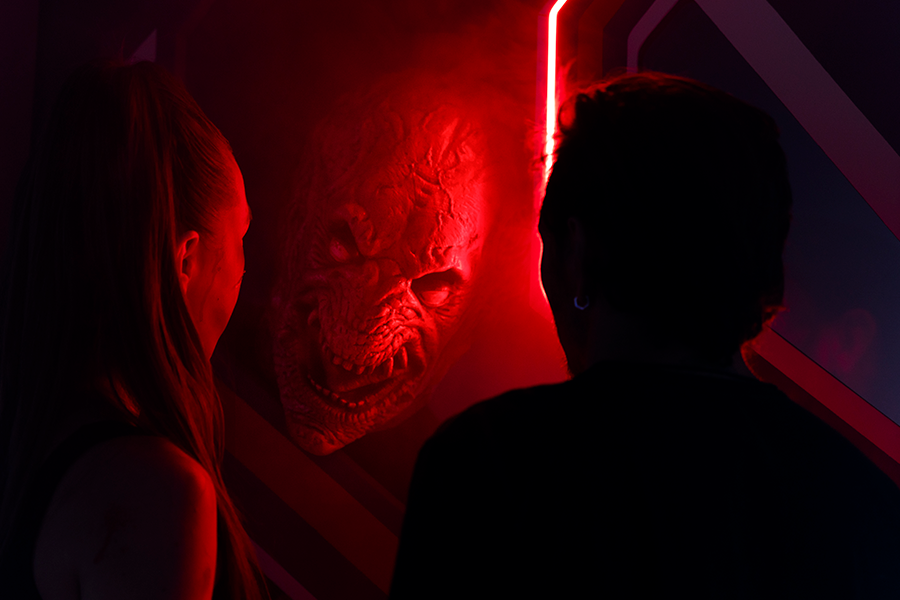
The Culver City location on Sepulveda carries Cyberpunk Samurai — visually strong, the room that shows up on social media most often, but genuinely good as an experience rather than just a backdrop. Men in Suits is the hard room at this site; it’s recommended specifically for groups that have done escape rooms before and want something that requires real effort. Spy Dogs consistently outperforms expectations based on its name alone. West LA on Santa Monica Blvd houses Something’s Out There, the horror room that specialist reviewers have described as among the better horror escape rooms in los angeles for how it manages tension — not cheap scares, but something that builds carefully and releases at the right moment. Whatever Happened to the Garretts at the same location is a mystery-thriller with a different register, suits groups who want narrative weight without specifically wanting fear.
Vermont Ave runs Lunar Mission (70 minutes, harder than it looks, up to 6 players) alongside Magic Kingdom and The Abyss. Highland Ave has World of Illusions and Pharaoh’s Tomb — both built for a more experienced audience, both with set quality that people notice mid-puzzle and spend a moment actually looking at before returning to the task.
For birthday celebrations — and this matters because plenty of LA birthdays fall during Black History Month and Juneteenth season — the event setup at any Maze Rooms location handles the full occasion. A gift hidden in the room. Decoration in the reception space before arrival. Food and drinks brought by the group. The birthday becomes a proper event built around the room rather than the room being an add-on to something else.
African American Things to Do in Los Angeles — Why Group Experiences Matter
The best days are the ones where the group stayed together long enough for something unexpected to happen. This sounds abstract but it’s very concrete when you’re in it — when the conversation at dinner is better because everyone shared the same strange afternoon, when the inside references from the escape room keep surfacing three weeks later, when what was supposed to be a four-hour day turned into an eight-hour one because nobody wanted to leave.
Escape rooms in los angeles build this kind of day extension when the set quality is there and the group format works. The private room means the group has the space — they’re not performing for strangers or competing with other bookings for attention and space. The 60-minute clock creates a natural urgency that’s rare in most social activities. And the debrief — the conversation immediately after the room — tends to be the most energized 30 minutes of the whole afternoon.
For corporate groups organizing an event around African American events in los angeles — a team day in February, a Juneteenth gathering, an end-of-quarter event that happens to land on a culturally significant date — the Maze Rooms format provides the experience component that most other formats can’t. Half-day and full-day corporate formats are available. Multi-room bookings run simultaneously for larger teams. The reception spaces handle food and decoration. The experience itself handles the rest.
Best Things in Los Angeles for African American Cultural Days That Go the Distance
The best things in los angeles for african american residents and visitors who want a full day rather than a single event require some architecture. The cultural anchor — CAAM, Leimert Park, the Watts Towers, a specific museum or community event — provides the meaning and the context. The escape room provides the shared challenge. The dinner, somewhere in South LA or West Adams or wherever the group has landed, provides the ending that the day earns.
African american events in los angeles run across a city that has absorbed and reflected and sometimes resisted the full weight of African American experience in America. The institutions are real. The neighborhoods are real. The people making things happen in Leimert Park on a Saturday afternoon aren’t performing a version of LA culture — they’re producing it, and have been for generations. Being present for that, and building a day around more than one piece of it, is how a city gets understood.
Six locations. Open until 11PM. The day has room for more than one good thing.